Tooth Extractions
In Kennewick, WA
Get relief and a fresh start with gentle care at .
About Tooth Extractions
Insight
Understanding Tooth Extractions
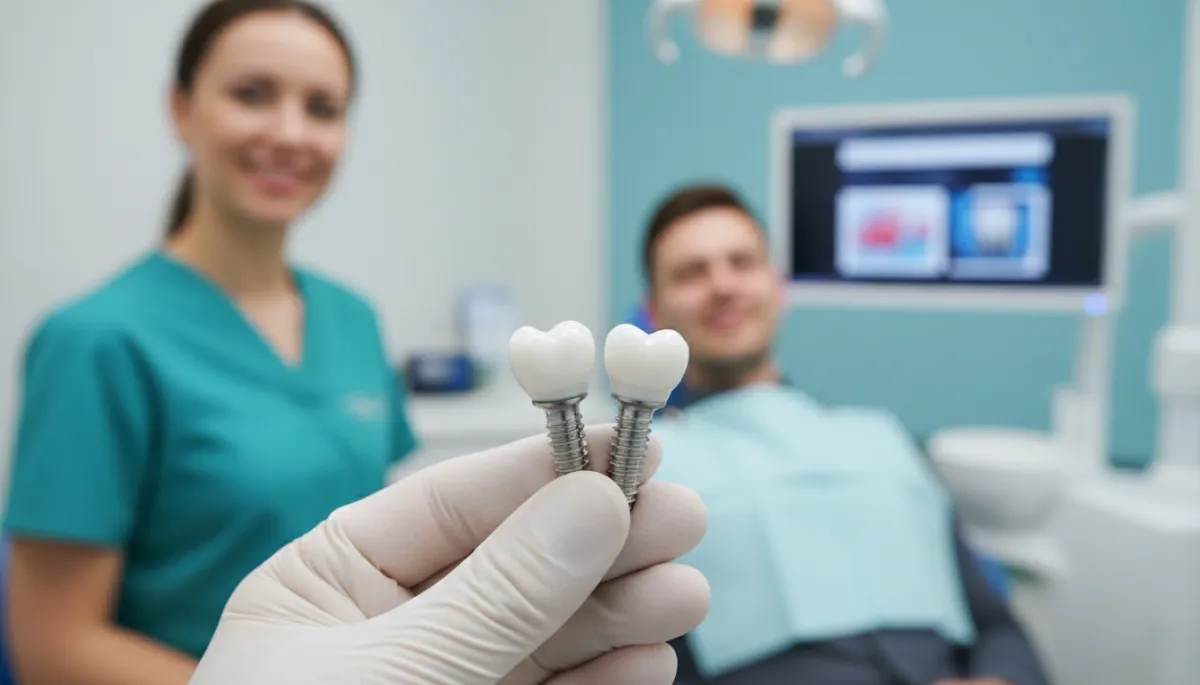
Tooth Extractions remove a tooth that cannot be saved or that may harm nearby teeth. Common reasons include deep decay, a cracked tooth below the gumline, severe infection, or crowding that blocks other care. Your dentist confirms the need with an exam and X-rays, then explains alternatives when they exist. During an extraction, the goal is to remove the tooth with as little trauma as possible, protect the bone, and keep you comfortable. Many extractions are quick, but planning matters so the bite stays stable and future options like replacement teeth are not limited. You also get clear steps to lower swelling and bleeding.
There are two main types of Tooth Extractions: simple and surgical. A simple extraction is used when the tooth is visible and can be loosened and lifted out. A surgical extraction is used when a tooth is broken, stuck, or trapped under gum or bone, and it may involve a small incision. Comfort is managed with local numbing, and some patients choose added relaxation support. In certain cases, your dentist may suggest a graft to help the socket keep its shape for future replacement. Good technique and clean healing help reduce the risk of a painful condition called dry socket. You will be told what is normal and what is not.
Healing after Tooth Extractions happens in stages. A blood clot forms first and acts like a natural bandage, so protecting it is key. For the first day or two, you may have mild bleeding, swelling, and jaw soreness, which often improves with rest, cold packs, and dentist-approved pain relief. Soft foods, gentle brushing, and careful rinsing help keep the area clean without disturbing the clot. Smoking, using straws, or forceful spitting can raise dry-socket risk. Most people feel much better within a week, while the bone fills in over the following weeks. Follow-up checks make sure healing stays on track.
Candidate
Who Benefits From Tooth Extractions
Tooth Extractions may be right for you if a tooth is causing ongoing pain, swelling, or repeated infection, or if it is too damaged to restore with a filling, crown, or root canal. They are also used when wisdom teeth crowd other teeth, when a tooth is severely loose from gum disease, or when spacing is needed before aligners. If you are in Kennewick, WA and juggling work, travel, and events, early care can prevent an emergency flare-up at the worst time. Your dentist will review health history, medicines, and X-rays to decide if extraction is the safest step and how to plan replacement later.

Approach
What Is The Process For Tooth Extractions
Assessment
Treatment
Follow Up
Assessment
Review symptoms and timeline
Exam tooth, gums, and bite
X-rays to check roots and bone
Discuss save vs remove options
Review meds and health history
Plan comfort and numbing
Discuss replacement choices
Treatment
Numb area for comfort
Loosen tooth with gentle tools
Section tooth if needed
Remove tooth and inspect site
Clean socket and smooth edges
Place graft if planned
Control bleeding with gauze
Stitches if needed
Review pain and swelling steps
Give written home instructions
Follow Up
Bite on gauze 30–60 minutes
Ice packs on and off day one
Soft foods, chew away from site
No straws, smoking, or spitting
Rinse gently after 24 hours
Return for a healing check
Journey
Before, During, & After Tooth Extractions
BEFORE: For Tooth Extractions, a calm plan makes a big difference. Your dentist will review X-rays, check for infection, and talk through comfort options. Share any health issues, blood thinners, or past problems getting numb, so the visit can be adjusted. Eat a normal meal first unless you were told not to, since numbness can last for a few hours. Pick up soft foods, and plan lighter activity the rest of the day. If the tooth is infected, you may be given steps to reduce swelling before the appointment. Ask about next steps, like implants or bridges, so you know what to expect once the tooth is out.
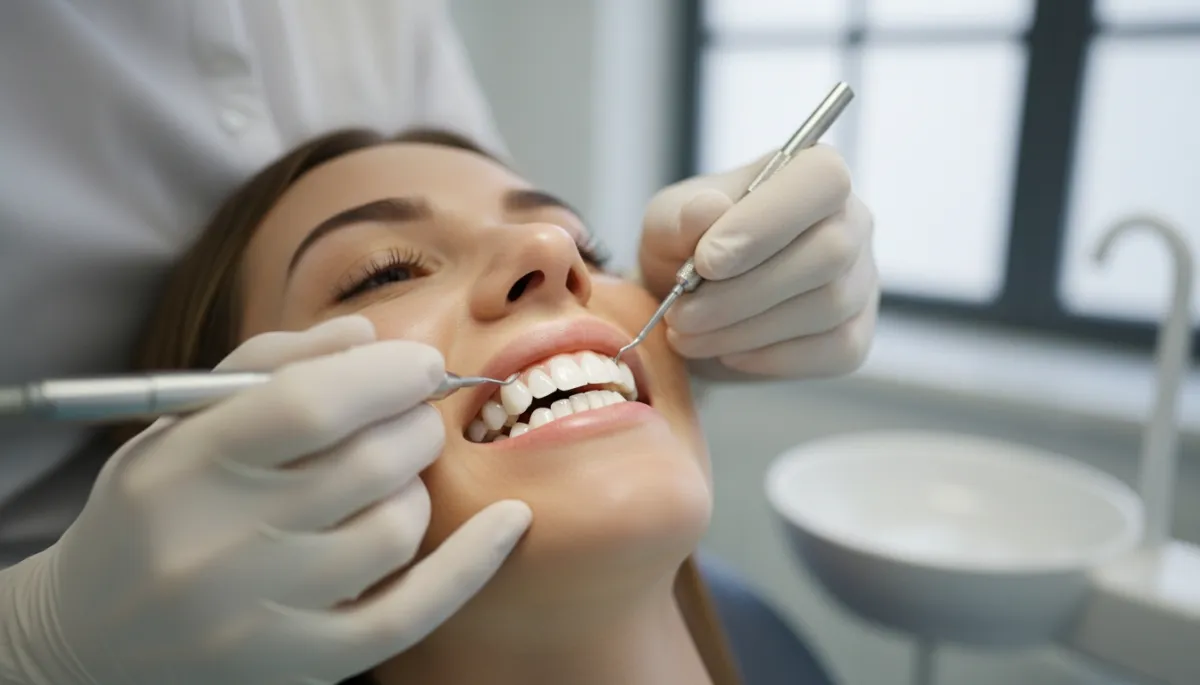
DURING: The visit starts with numbing, then the tooth is loosened slowly to protect bone and nearby teeth. You may feel pressure and movement, but sharp pain is not expected—speak up if you do. For a simple case, the tooth is lifted out in one piece. For a surgical case, the dentist may open the gum slightly or section the tooth so it can be removed with less force. Once removed, the socket is cleaned and checked, and a graft may be placed if planned. Stitches may be added, then you bite on gauze to form a stable clot. Before you leave, you get clear instructions for eating, rinsing, and pain control.
AFTER: Protecting the clot is the main job in the first 24 hours after Tooth Extractions. Keep gauze in place as directed, rest, and use cold packs to reduce swelling. Stick to soft foods and avoid crunchy bits that can poke the site. Do not use straws, smoke, or rinse hard, since suction can pull the clot away and cause dry socket. After the first day, gentle salt-water rinses can help keep the area clean, and careful brushing keeps bacteria down. Call your dentist if pain suddenly gets worse, you have fever, or bleeding will not slow. Most people return to normal routines as soreness fades over several days.
Transformation
Getting Started With Tooth Extractions
Sometimes saving your smile means removing a tooth that can’t be fixed. With Tooth Extractions, the first step is a focused exam and X-rays to see the roots, nearby teeth, and any infection. We talk through your comfort options, what you’ll feel, and how long healing usually takes. Then you get a clear plan for after-care—how to bite on gauze, what foods to choose, and how to keep the area clean. If a replacement is needed, we also map out the next step so your bite stays stable. If you need a gentle dentist near Kennewick, WA, schedule Tooth Extractions to feel better fast.

Book Now
Booking is simple, with flexible scheduling designed around your cosmetic goals.
Choose a time that fits your routine and start your personalized smile journey.
The staff was so welcoming and professional. My results exceeded expectations, and the entire experience was relaxing and enjoyable. I left feeling confident and refreshed!

Incredible service from start to finish! The team truly cares about your comfort and outcome. Everything felt clean, modern, and detail-oriented. Highly recommend!

I’ve never felt more cared for during an appointment. They explained every step clearly and made sure I was comfortable. The results speak for themselves—amazing!

Absolutely five-star experience. The staff was kind, knowledgeable, and attentive. You can tell they take pride in their work. I’ll definitely be returning soon.

From the first consultation to the final result, everything was flawless. The environment was spotless, and the results were beyond what I imagined. Truly life-changing.

Exceptional experience all around. They listened carefully to what I wanted and delivered with precision. I feel more confident and rejuvenated than ever.

Most Requested
Explore our most requested cosmetic treatments designed to enhance smiles naturally.
Discover popular services focused on whitening, veneers, and smile makeovers.



FAQ'S About Tooth Extractions
How do I know if Tooth Extractions are needed?
If a tooth has severe decay, a deep crack, repeated infection, or cannot be restored, removal may be the safest choice. An exam and X-rays confirm it.
Do Tooth Extractions hurt?
The area is numbed first, so you should feel pressure, not sharp pain. Mild soreness afterward is common and usually improves in a few days.
What can I eat after Tooth Extractions?
Soft foods are best at first. Avoid crunchy, spicy, or very hot foods near the site until tenderness improves.
How do I prevent dry socket after Tooth Extractions?
Protect the clot by avoiding straws, smoking, hard rinsing, and vigorous spitting for the first day or two. Follow your aftercare steps closely.
Can help plan tooth replacement after Tooth Extractions in Kennewick, WA?
Yes. A visit can review options like implants or bridges and help choose timing that supports healthy healing and a natural look.
Serving Our
Neighbors
We’re proud to support and serve our neighbors in communities big and small, from:
Ready For Change?
Take the first step toward a confident smile with expert cosmetic care. Book a consultation today and begin your personalized smile transformation.
Take the first step toward a confident smile with expert cosmetic care.
Operating Hours
Mon: 9:00am - 5:00pm
Tues: 9:00am - 5:00pm
Wed: 9:00am - 5:00pm
Thurs: 9:00am - 5:00pm
Fri: 9:00am - 5:00pm
Sat: Closed
Sun: Closed
LOCK CODE
<::::::::::>
Lock
<::::::::::>
CUSTOM CODES
<::::::::::>
STYLIZATIONS
VISUAL
<::::::::::>
Background Color
Gradient 90 Degrees
<::::::::::>
Background Color
Gradient 135 Degrees
<::::::::::>
SVG Carousel
Color
<::::::::::>
SVG Sequence
Color Icons
<::::::::::>
Outline Color
Radius 25px
<::::::::::>
Community Background
Gradient
<::::::::::>
Background Color
Gradient 315 Degrees
<::::::::::>
Background Color
Gradient 225 Degrees
<::::::::::>
Inner Shadow
Weak
<::::::::::>
Inner Shadow
Strong
<::::::::::>
Invert Color
Block Secondary A
<::::::::::>
Invert Color
Exempt
<::::::::::>
Background
Blur 20px
<::::::::::>
Outline Color
Radius 10px
<::::::::::>
Image
Black
<::::::::::>
Image
White
<::::::::::>
Image
Edge Fade
<::::::::::>
Gradient Color
Text
<::::::::::>
Corner Radius
15px
<::::::::::>
Corner Radius
25px
<::::::::::>
Corner Radius
50px
<::::::::::>
Corner Radius
Top 15px
<::::::::::>
Corner Radius
Top 25px
<::::::::::>
Mobile Shadow
None
<::::::::::>
Mobile Shadow
Block Primary
<::::::::::>
Desktop Border White
Left And Right 1px
<::::::::::>
Desktop Border Black
Left And Right 1px
<::::::::::>
Desktop Corner Radius
Bottom Left 50px
<::::::::::>
Desktop Corner Radius
Bottom And Top Left 50px
<::::::::::>
ANIMATIONS
PERMANENT
<::::::::::>
Text Wave
Effect
<::::::::::>
Credentials Carousel
Slide
<::::::::::>
Credentials Carousel
Edge Fade
<::::::::::>
Requested Carousel
Slide
<::::::::::>
Requested Carousel
Edge Fade
<::::::::::>
Pulse
Sequence
<::::::::::>
Pulse
Size
<::::::::::>
Bounce
Rhythm
<::::::::::>
ANIMATIONS
HOVER/SCROLL
<::::::::::>
Neon Outline Color
On Hover/Scroll
<::::::::::>
Shine
On Hover Bright~
<::::::::::>
Shine
On Hover Dim
<::::::::::>
Raise On Hover
Shadow
<::::::::::>
Raise On Hover
No Shadow
<::::::::::>
Grow
On Hover 1.015
<::::::::::>
Grow
On Hover 1.05
<::::::::::>
Desktop Text Revealed
On Hover
<::::::::::>
Desktop Expand
On Hover
<::::::::::>
Shift Up
On Hover
<::::::::::>
Mobile Text Reveal
On Scroll
<::::::::::>
Mobile Expand
On Scroll
<::::::::::>
Blur Sibling
On Hover
<::::::::::>
Becomes Blurred
From Sibling
<::::::::::>
Change Background
Color On Hover
<::::::::::>
Change Text
Color On Hover
<::::::::::>
Change Outline
Color On Hover
<::::::::::>
Opener
Menu Catalyst
<::::::::::>
ANIMATIONS
SINGULAR
<::::::::::>
Fade In
On Scroll
<::::::::::>
Shift In
On Scroll
<::::::::::>
MOVEMENTS
& MARGINS
<::::::::::>
Move Z Axis
Plus 10px
<::::::::::>
Move Y Axis
Up 10px
<::::::::::>
TECHNICAL
DYNAMICS
<::::::::::>
Image Adjusts
Aspect Ratio 16 To 9
<::::::::::>
Image Adjusts
Aspect Ratio 1 To 1
<::::::::::>
Image Adjusts
Aspect Ratio 5 to 6
<::::::::::>
Image Adjusts
Aspect Ratio 9 to 16
<::::::::::>
Image Adjusts
Aspect Ratio 3 to 4
<::::::::::>
Image Min Width 90%
Screen 1420px
<::::::::::>
Text 60px
Screen 1420px
<::::::::::>
Text 60px
Screen 1080px
<::::::::::>
Text 48px
Screen 1080px
<::::::::::>
Text 36px
Screen 1080px
<::::::::::>
Text And Divider
Row Adjust
<::::::::::>
Image Fixed Size
Stabilizer
<::::::::::>
Container Max Width
370px
<::::::::::>
Container Min Width
100% Screen 1420px
<::::::::::>
Safari Parallax Image
Off
<::::::::::>